⚠️ EMERGENCY ALERT SYSTEM ⚠️
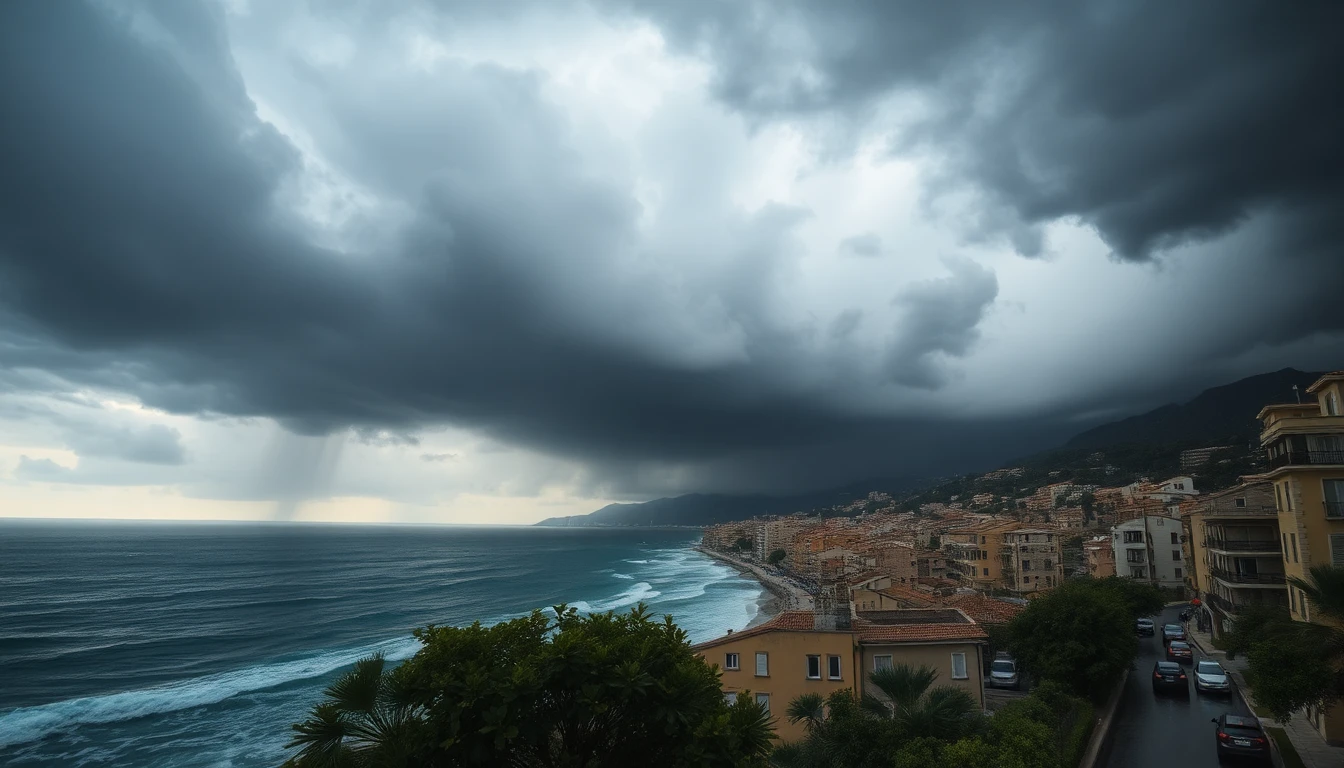
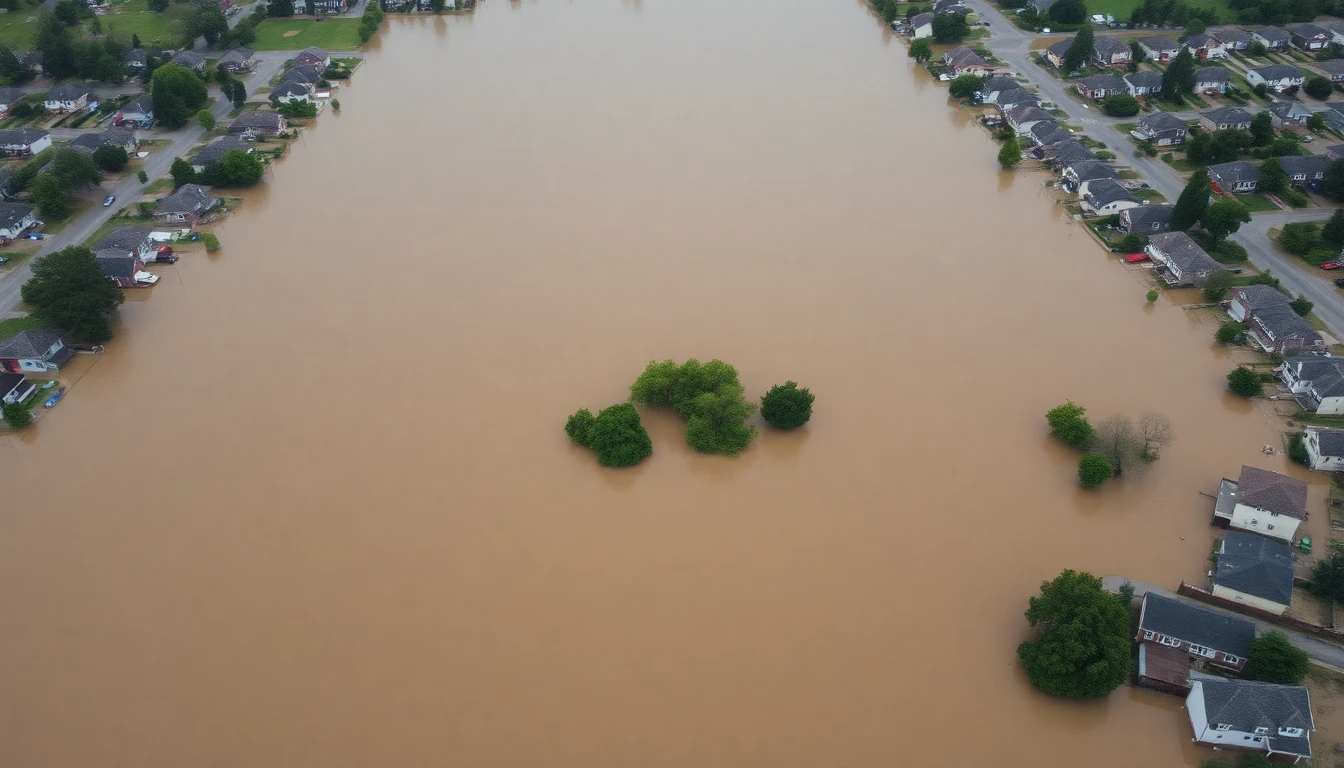
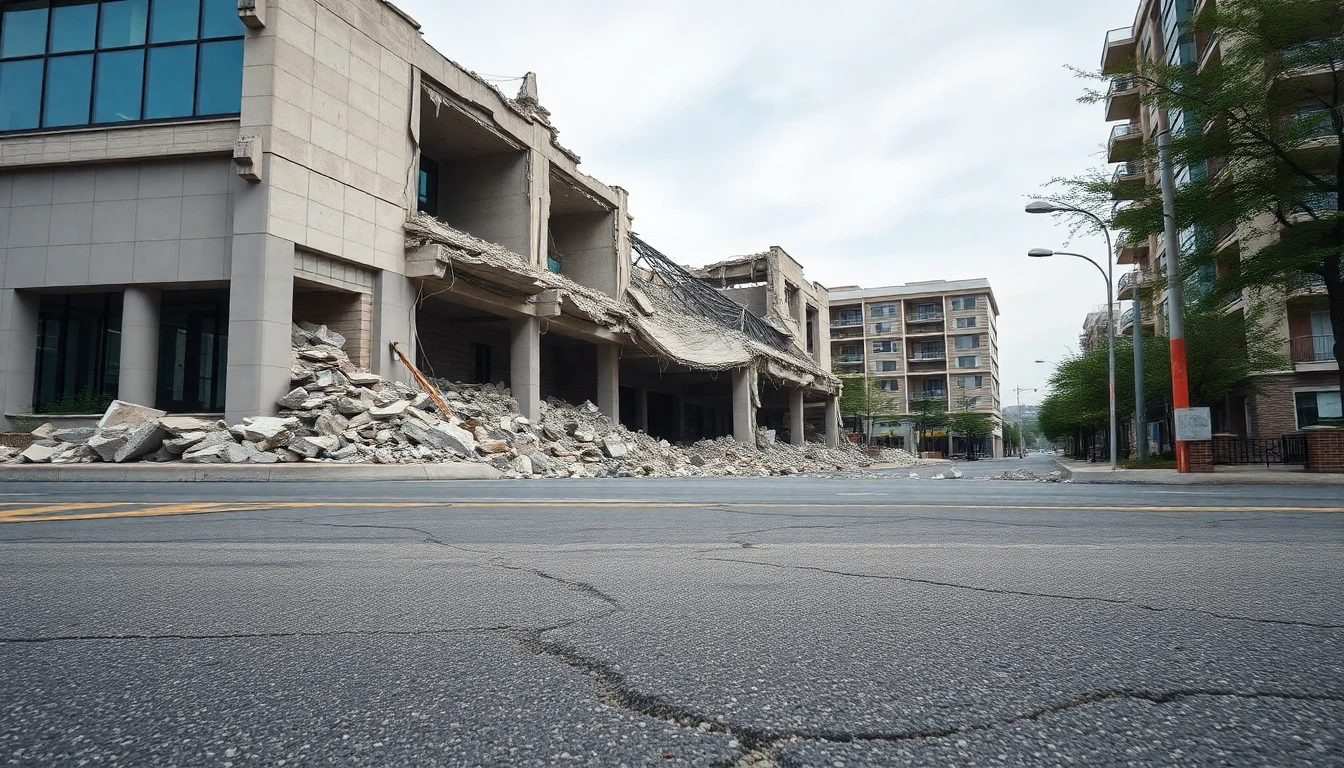
DANA (Isolated High Altitude Depression)
A meteorological phenomenon characterized by intense rainfall and severe storms, typically occurring in Mediterranean climates, causing flash floods and dangerous conditions.
- STAY informed about weather updates
- SECURE outdoor objects
- AVOID flood-prone areas
- PREPARE for power outages
- KEEP emergency supplies ready
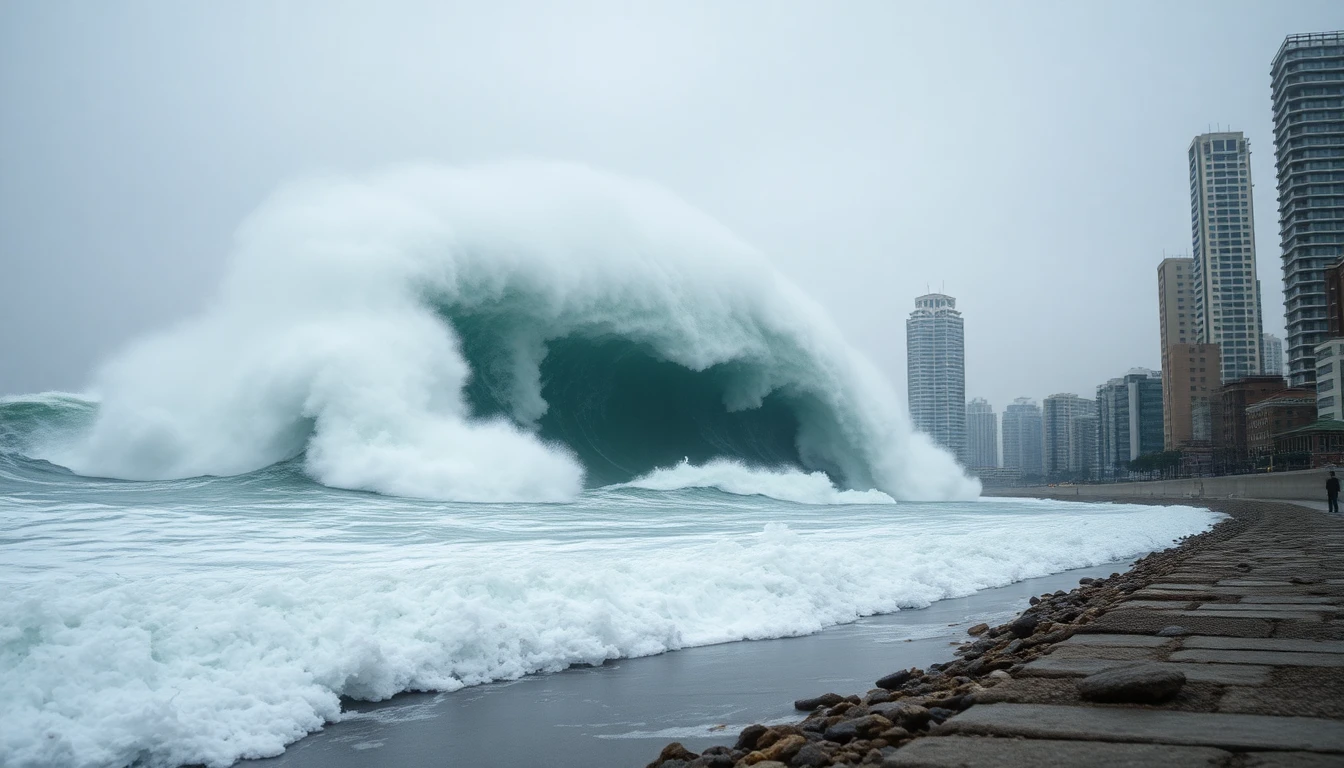
Tsunami
A series of ocean waves caused by underwater earthquakes, landslides, volcanic eruptions, or meteorite impacts. These waves can reach heights of over 100 feet and cause catastrophic coastal flooding.
- MOVE immediately to higher ground!
- GET at least 2 miles inland and 100 feet above sea level
- FOLLOW evacuation routes
- DO NOT wait for official warnings
- STAY away from the coast until all-clear is given
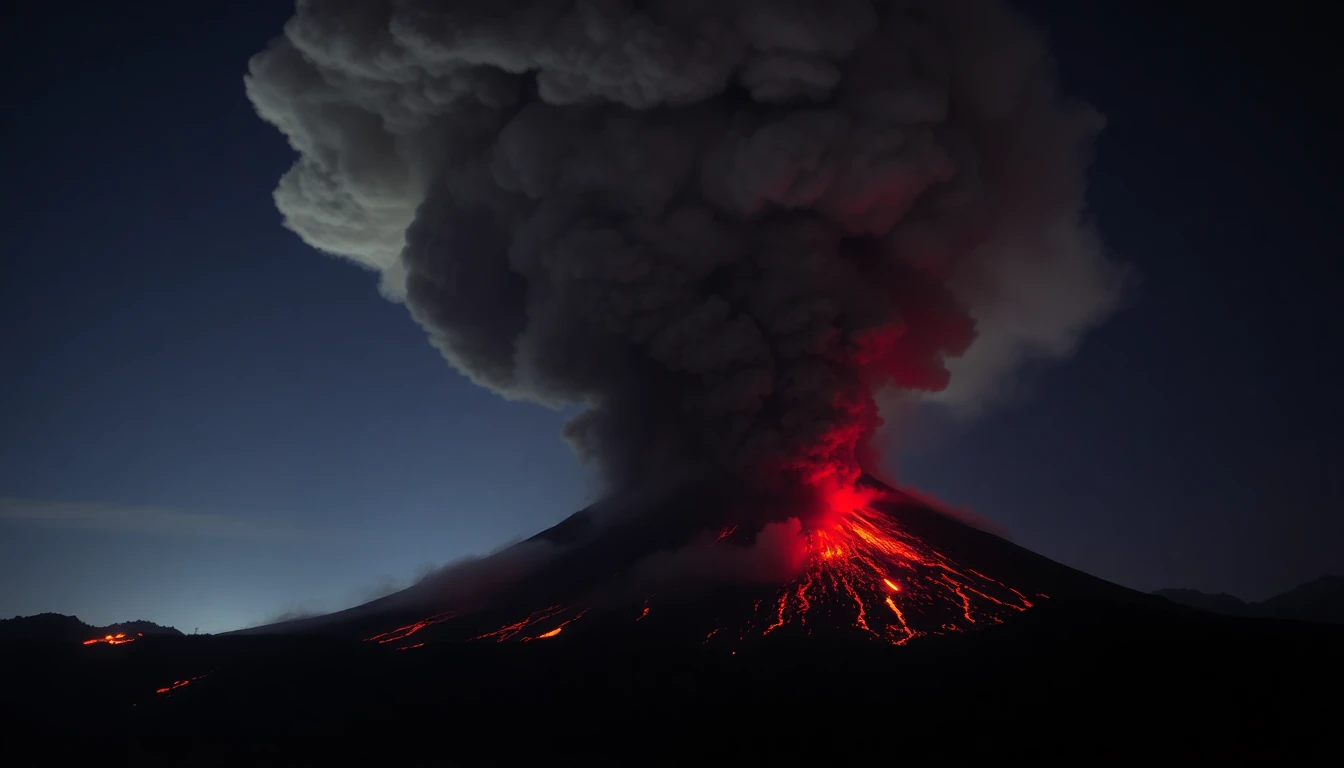
Volcanic Eruption
The release of molten rock, volcanic ash, and gases from a volcanic vent. Eruptions can produce dangerous lava flows, pyroclastic flows, and widespread ash fall that pose serious hazards to surrounding areas.
- EVACUATE immediately when ordered!
- WEAR protective masks and goggles
- CLOSE all windows and doors
- AVOID valleys and low areas
- PROTECT electronic equipment from ash
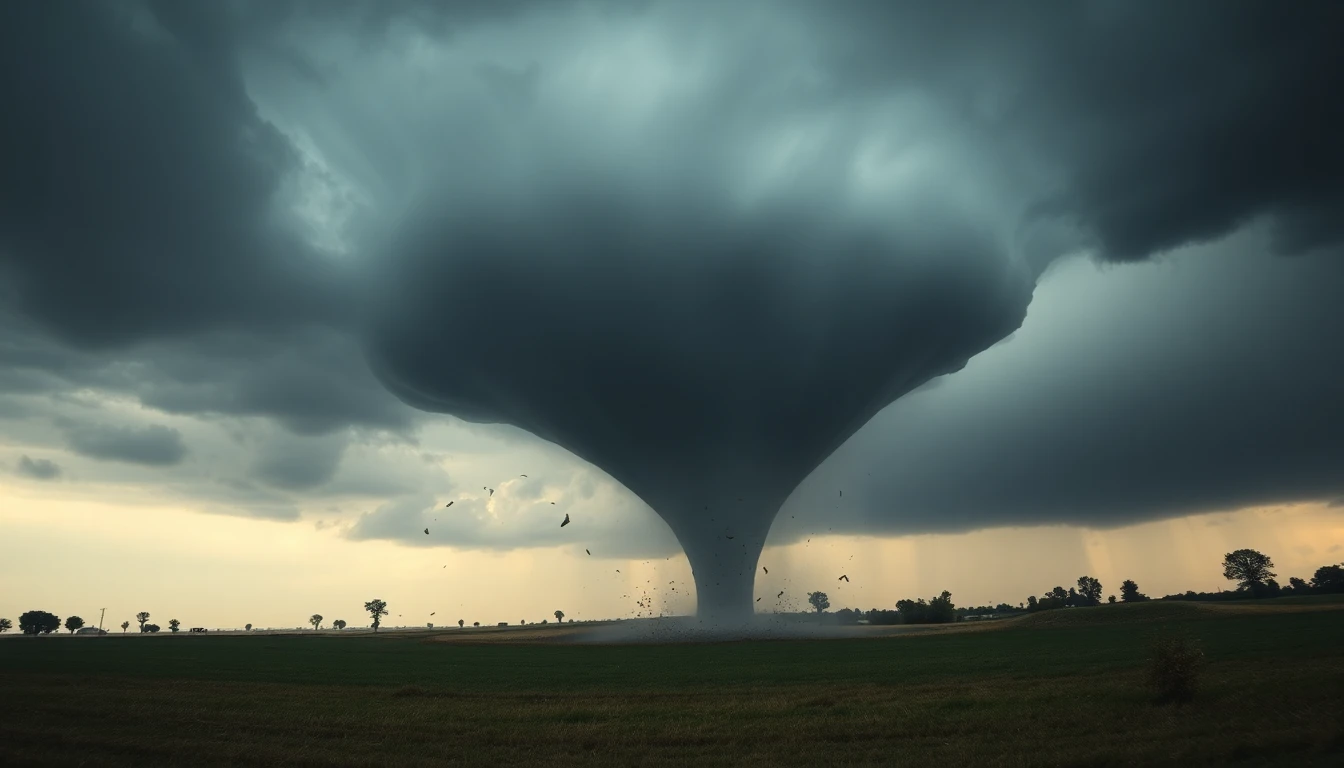
Tornado
A violently rotating column of air extending from a thunderstorm to the ground. Tornadoes can produce winds exceeding 300 mph and leave paths of destruction up to a mile wide and dozens of miles long.
- SEEK shelter in basement or interior room
- STAY away from windows and doors
- PROTECT your head
- MONITOR emergency broadcasts
- DO NOT try to outrun a tornado in your car
Flood
A temporary overflow of water onto normally dry land, caused by heavy rainfall, storm surge, or dam breaks. Floods can cause extensive damage to property and pose serious risks to life.
- MOVE to higher ground immediately!
- DO NOT walk or drive through flood waters
- DISCONNECT electrical appliances
- PREPARE an emergency kit
- FOLLOW evacuation orders strictly
Earthquake
A sudden and violent shaking of the ground, caused by movement of tectonic plates beneath Earth's surface. Can cause widespread damage to buildings and infrastructure.
- DROP to the ground immediately
- TAKE cover under sturdy furniture
- HOLD ON until shaking stops
- STAY away from windows and exterior walls
- EXIT building only when safe